
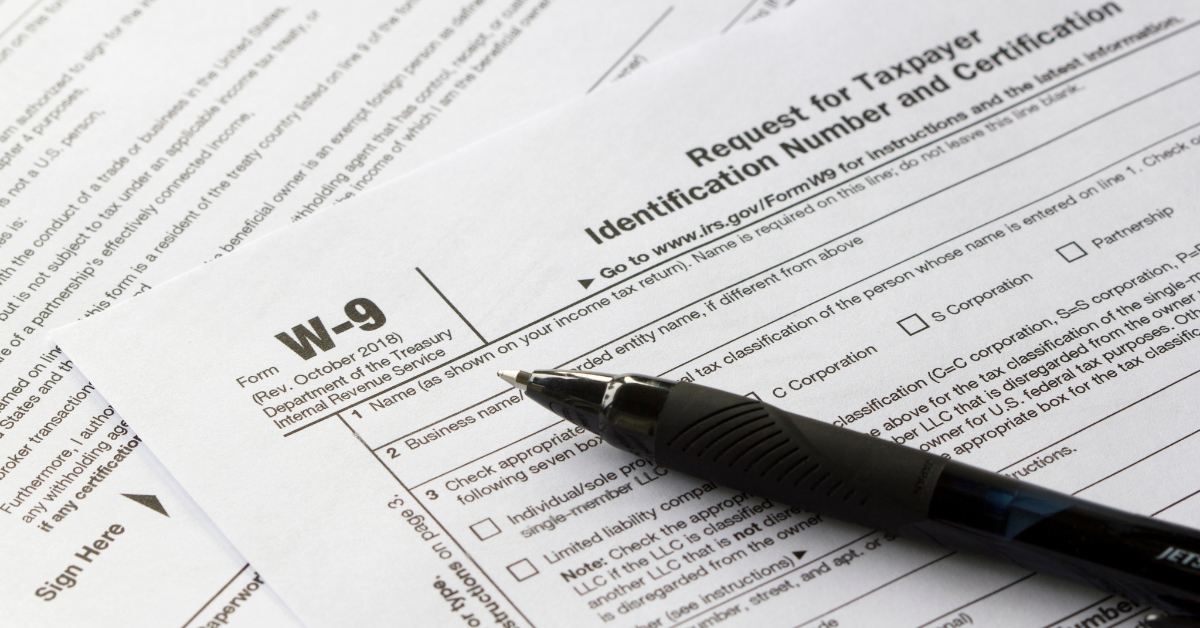
How to file a W-9 while protecting your identity

If you’re a freelancer, contractor, or even a lucky sweepstakes winner, you’ve probably been asked to fill out a W-9 form. This little IRS document is how companies collect your taxpayer information so they can report payments to the government.
It’s simple, but it asks for sensitive stuff: your name, address, and most importantly, your Social Security Number (SSN). That’s enough info for a scammer to ruin your day—and maybe your entire credit score.
So, how do you file a W-9 while keeping your identity safe? Here’s what you need to know.
What’s a W-9, and why does it matter?
A W-9 is basically a handshake with the IRS, letting them know you’re getting paid and you’re on the tax radar. You’ll be asked to provide:
- Your full legal name
- Your business name (if you have one)
- Your address
- Your taxpayer identification number (usually your SSN, or EIN if you have a business)
Whoever asks you for a W-9 will use this info to send you a 1099 at tax time, which you’ll need to report your income. But the kicker is: if your W-9 lands in the wrong hands, it’s a goldmine for identity thieves.
When should you fill out a w-9?
You should only fill out a W-9 when it makes sense—like if you’re working as a contractor, selling goods or services, or otherwise getting paid outside of traditional employment.
If a company or individual who’s paying you $600 or more in a year requests a W-9, that’s standard. But if a random client, an unfamiliar company, or someone you just met online asks for one, pause and verify before handing over your data.
Pro Tip: Identity thieves often impersonate real businesses using highly convincing phishing emails or fake company websites.
How to protect your identity while filing a w-9
1. Know who’s asking—and why
Never fill out a W-9 unless you’re positive the request is legit. This crucial step of verification goes beyond simply confirming a company's existence; it involves scrutinizing the legitimacy of the specific request itself.
Before submitting your W-9, call the company's main line (found independently, not in the request email) and speak to a known contact or the accounts payable department to confirm that they genuinely initiated the request, that the payment threshold has been met, and that the specified submission method is their official, secure protocol.
Verify the requester’s identity, company, and reason for needing your info. If you’re unsure, ask for their business credentials or contact the company directly using publicly available contact details (not the info they provided).
2. Use an EIN instead of your SSN (if possible)
If you’re running a business—even as a sole proprietor—you can apply for an Employer Identification Number (EIN) through the IRS for free. Using an EIN on your W-9 can help keep your SSN private. Apply online at IRS.gov—it only takes a few minutes.
3. Send tax forms securely
Don’t just email your completed W-9 as an attachment. Standard email is not secure, and your form could be intercepted. Instead:
- Ask if there’s a secure portal for uploads
- Use encrypted email or a secure file transfer service
- If you must use email, password-protect the file and send the password in a separate message
- Avoid sending a physical copy unless you trust the postal system and the recipient
4. Limit sharing and keep copies
Only send your W-9 to the person or business who legitimately needs it. Don’t let your form float around—every extra copy is a risk. Keep a secure copy for your own records, stored somewhere safe (think encrypted cloud storage or a locked file cabinet).
5. Watch for red flags
Scammers love W-9s. Be wary if:
- The requester pressures you to respond quickly
- They’re vague about why they need your info
- Their contact info doesn’t match official sources
- You receive a request out of the blue from someone you’ve never worked with
Trust your gut. If something feels off, double-check before you send anything.
What if your info gets compromised?
If you think your W-9 info has been exposed, act fast:
- Place a fraud alert on your credit reports
- Monitor your financial accounts for unusual activity
- Consider freezing your credit
- Report the incident to the IRS (irs.gov/identity-theft-central) and the FTC (identitytheft.gov)
The bottom line
Filing a W-9 is a part of doing business, but you don’t have to sacrifice your identity to do it. Be cautious about who gets your details, use an EIN when you can, and always send sensitive documents securely. With a little vigilance, you can keep your personal info safe—and focus on getting paid, not getting scammed.