
IRS tax scams: Breaking down the latest schemes in 2026

- Tax scam reports increased 62% since 2024
- Victims reported losses of $5.7 million to BBB in early 2025
- The average of these tax scam losses exceeds $32,000
- IRS scams often involve phone calls, phishing emails, or smishing texts
- Fraudsters frequently attempt tax refund fraud or identity theft
Why IRS tax scams are rising in 2026
Tax season already comes with enough stress. Unfortunately, it’s also one of the busiest times of year for scammers.
IRS impersonation scams are rising quickly, targeting taxpayers who are expecting refund updates, tax notifications, or filing reminders. Criminals take advantage of that expectation to send convincing emails, texts, and phone calls that appear to come from the IRS.
The problem is growing fast. A 2025 analysis of BBB Scam Tracker data found that monthly tax scam reports increased 62% from 2024 to 2025. And since 2020, tax scam reporting has risen more than 323%, highlighting a major surge in fraud targeting taxpayers.1
And while not every attempt succeeds, the financial impact on victims can be significant. In the first few months of 2025 alone, Americans reported more than $5.7 million in losses to the BBB related to tax scams, with an average loss of more than $32,000 per victim.1
These numbers highlight a troubling reality: Tax scams are becoming more common, more sophisticated, and more costly.
Understanding how these IRS tax scams work—and how to recognize them—can help you avoid becoming the next target.
What are IRS tax scams and how do they work?
IRS tax scams are fraud schemes in which criminals impersonate the Internal Revenue Service to steal money or personal information.
These attacks may appear through:
- Phone calls
- Emails
- Text messages
- Fake websites
- Social media messages
- Physical mail
Scammers often claim that you:
- Owe unpaid taxes
- Are eligible for a refund
- Must verify your tax information
- Need to resolve an urgent tax issue
Their goal? To pressure their victims into providing sensitive data like Social Security numbers, bank account information, credit card details, and tax filing credentials.
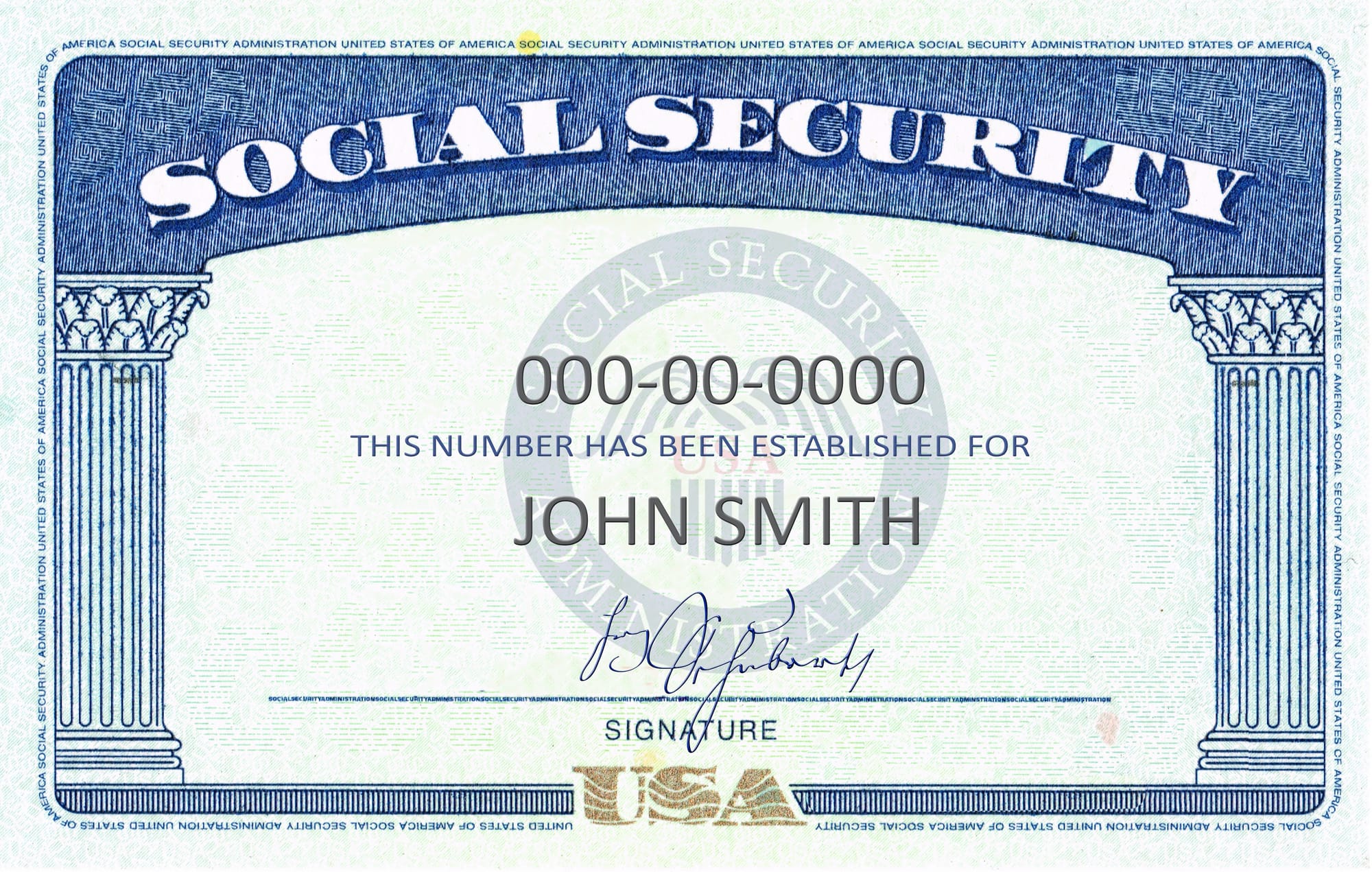
Once criminals obtain the information, they can commit tax refund fraud or broader identity theft, potentially opening accounts or filing fraudulent returns in someone else’s name.
Why IRS impersonation fraud is a serious threat to taxpayers
Tax fraud schemes are more than just annoying spam messages. They can lead to serious financial and identity theft consequences.
A 2025 analysis of 1,384 tax scam reports illustrates how damaging these scams can be when they succeed:
- 179 scams resulted in confirmed financial losses
- $5.7 million in total losses nationwide
- Average loss per victim: $32,0801
Even though many fraud attempts fail, the ones that do succeed can cause devastating financial damage.
In many cases, these scams are linked to tax refund fraud, where criminals file a tax return using a stolen Social Security number.
If a fraudulent return is filed before the real taxpayer submits theirs, the IRS may:
- Issue the refund to the scammer
- Flag the legitimate return for investigation
- Delay the refund for months (or even years) while identity theft is resolved
Real scam stories show just how convincing IRS impersonation scams can be. In one case documented by the FINRA Foundation, a 19-year-old student was told she owed back taxes and could be arrested unless she stayed on the phone and purchased gift cards to pay the “debt.”2
Situations like this often work because tax season is already confusing. Additionally, when tax rules change or new policies are discussed, many taxpayers aren’t sure what to expect. That uncertainity can create opportunities for criminals to exploit confusion and impersonate legitimate goverment agencies.
If you’re trying to understand how potential policy changes could affect your filing this year, our breakdown of the Trump tax plan for 2026 explains the proposals and what they could mean for taxpayers.
Common IRS scams taxpayers should watch for in 2026
Tax scammers continue to evolve their tactics each year, and AI is only making impersonation easier.
IRS scams at a glance
IRS phone scams
One of the most well-known fraud tactics is the IRS phone scam.
In these spoofed calls, criminals call victims pretending to be IRS agents or federal investigators. They may claim the victim owes unpaid taxes and threaten arrest or legal action if payment isn’t made immediately.
Payment will typically be demanded through unusual methods such as:
- Gift cards
- Cryptocurrency
- Wire transfers
- Payment apps
These payment methods are difficult to trace and nearly impossible to recover once the money is sent.
Does the IRS ever ask for payment by phone?
No. The IRS does not demand immediate payment over the phone and never asks taxpayers to pay taxes using gift cards or cryptocurrency.
IRS impersonation emails
Email phishing scams are another common tactic. Fraudulent messages may appear to come from the IRS and often include subject lines such as:
- “Tax refund notification”
- “IRS account verification required”
- “Urgent action needed on your tax return”
These fake IRS communications typically contain links to websites that mimic official government pages. If a victim enters their personal information, scammers can capture it immediately.
Think you received a phishing email? Check the sender address. If you’re still unsure, real-time scam detection tools exist that can help you distinguish what’s real from what’s not.
Fake tax refund messages
Some scammers start off with refund promises to lure their victims in.
Victims may receive messages claiming they qualify for a refund. The catch? They first must verify their identity or banking information.
These messages typically link to fake portals designed to steal:
- Social security numbers
- Banking details
- IRS account logins
IRS text message scams (smishing)
Ever heard of smishing? Text message scams (often called smishing) have become increasingly common.
These messages may look like: “IRS Notice: Your refund is pending. Confirm your information here.”
Not sure if a message or link is safe?
OmniWatch includes tools designed to detect suspicious links and alert you to potential scam attempts before you interact with them.
See how OmniWatch scam protection works →Clicking the link usually leads to a phishing website designed to steal personal data.
Smishing scams are effective because people often react quickly to text messages without verifying the source.
The warning signs of IRS tax scams
Knowing the warning signs can help you recognize a scam before it causes damage.
Urgent threats or pressure
Scammers want you to feel panicked so that you make a snap decision. They’ll frequently foster urgency by threatening arrest, lawsuits, or fines.
Remember: The IRS typically contacts taxpayers by mail first, not through threatening phone calls or emails.
Requests for unusual payment methods
If someone claiming to represent the IRS asks for payment via:
- Gift cards
- Cryptocurrency
- Wire transfers
…it is almost certainly a scam. Always verify directly at IRS.gov.
Suspicious links
Phishing messages often include links that look legitimate but lead to malicious websites.
When in doubt, don’t click. Instead, head to a website directly.
Unexpected refund notifications
Messages promising unexpected refunds are unfortunately too good to be true. Instead, it’s a common tactic used by cybercriminals to lure victims into phishing traps.
If you weren’t expecting a refund notification, proceed with caution.
🚩 Demands for immediate payment
🚩 Requests for gift cards or cryptocurrency
🚩 Threats of arrest or legal action
🚩 Requests for personal or banking information
🚩 Messages containing suspicious links
How to verify IRS communications
Unsure if a message is legitimate? There are several ways to confirm it.
Check official IRS communication methods
The IRS typically initiates contact through official letters sent by mail. They rarely contact taxpayers through email, text messages, or social media.
Contact the IRS yourself
If you receive a suspicious message, you can contact the IRS directly using official contact information listed on IRS.gov.
Visit the IRS website directly
If a message includes a link, avoid clicking on it. Instead, manually type the IRS website address into your browser.
Report phishing attempts
Reporting helps protect others. Suspicious IRS emails can be reported to: [email protected]. You can also report scams to the Federal Trade Commission (FTC) at reportfraud.ftc.gov.
How to protect yourself from tax fraud and identity theft
While scams are becoming more sophisticated, a few proactive steps can significantly reduce your risk.
File your taxes early
Filing early is one of the best things you can do to prevent tax refund fraud, since scammers won’t have time to submit a fraudulent return first.
Protect your personal information
Never share sensitive information unless you are certain you are communicating with a legitimate organization.
Use strong passwords and two-factor authentication
Secure financial (like bank apps) and tax accounts with strong, unique passwords and enable two-factor authentication whenever possible. Consider a password manager to help you keep track of your login details.
Be careful with suspicious links
Always pause before clicking on a link. Any link in an unsolicited email or message should be treated as suspicious until proven otherwise, especially if it claims to come from the IRS.
Monitor for signs of identity theft
Identity theft remains one of the most commonly reported forms of fraud. You can learn more about recent identity theft trends in our guide.
How OmniWatch can help protect you
Staying informed is one of the best ways to avoid IRS fraud—but tools that help verify suspicious messages can add another layer of protection. OmniWatch includes features designed to help you review links, emails, and messages that may be connected to fraud attempts.
Check URLs instantly
Fraud attempts often rely on deceptive links that lead to fake login pages or payment portals. OmniWatch allows you to quickly scan URLs from your device to check whether they appear safe before clicking.
Detect suspicious emails
Many tax-related fraud schemes begin with phishing emails that appear to come from government agencies or financial institutions. OmniWatch can automatically analyze inbox activity in supported email accounts to flag messages that may contain signs of fraud.
Identify smishing text messages
Text-based scam attempts (often called smishing) are becoming more common. OmniWatch helps analyze suspicious text messages so you can better determine whether that message really is from the IRS.
Scan QR codes and mailed documents
Fraud doesn’t always arrive digitally. OmniWatch can also analyze QR codes and physical documents for signs of suspicious links or instructions that could lead to malicious websites (or download malware).
If you ever feel unsure about a message, link, or email related to your taxes, taking a moment to verify it can prevent costly mistakes. Tools designed to review suspicious content can help you pause and check before responding.
Learn moreHow to stay one step ahead of IRS tax scams
With tax scam reports increasing more than 323% since 2020, awareness is more important than ever.
Remember these key takeaways:
- The IRS usually contacts taxpayers through official mail first
- Be cautious of unexpected emails, calls, or texts
- Never send tax payments through gift cards or cryptocurrency
- Avoid clicking suspicious links
- Filing early can help reduce your risk
Frequently asked questions
Q: How do IRS tax scams usually start?
A: Most IRS scams begin with unexpected contact from someone pretending to represent the IRS.
You may be contacted through multiple channels, including:
- Spoofed phone calls
- Phishing emails
- Smishing text messages
These messages often try to create panic so victims act quickly without verifying the information. Many scams also incorporate malicious links or instructions to send payment through unusual methods like gift cards or cryptocurrency.
Because taxpayers expect communication during filing season, fraud attempts are more likely to succeed during this time.
Q: Does the IRS contact taxpayers by phone?
A: The IRS typically contacts taxpayers by official mail first, not by phone, email, or text message.
While it is possible that the IRS may call in certain situations (such as coordinating with taxpayers who previously contacted the agency, or to follow up on an existing case), these calls are generally scheduled and documented.
Calls that demand immediate payment, threaten arrest, or request payment through irretrievable methods are almost always fraudulent.
When in doubt, head to IRS.gov or contact the IRS directly using their official phone numbers.
Q: What should I do if I receive a suspicious IRS message?
A: First off: Do not click links or provide personal information. Instead, take the following steps:
- Avoid responding to the message
- Visit IRS.gov directly to verify information
- Contact the IRS using official contact information
- Report suspicious emails to [email protected]
- Report fraud attempts to the FTC at reportfraud.ftc.gov
Taking a moment to double check a strange message could help prevent identity theft or financial loss.
Q: What is tax refund fraud?
A: Tax refund fraud occurs when criminals file a fraudulent tax return using someone else’s Social Security number in order to collect the refund.
This type of fraud usually happens after personal data is stolen through a data breach, phishing attack, or identity theft. If a scammer files the return before the legitimate taxpayer does, the IRS may issue the refund to the criminal and delay the real taxpayer’s return while the issue is investigated.
This is why filing your taxes early is key to reducing the risk of tax refund fraud.
Q: How can I protect myself from IRS scams?
A: You can reduce your risk of IRS fraud by taking a few proactive steps during tax season:
- File your tax return early to reduce the risk of tax refund fraud
- Verify suspicious messages before responding
- Avoid clicking links in unsolicited emails or texts claiming to be from the IRS
- Use strong passwords and multi-factor authentication for financial accounts
- Monitor your personal information for signs of identity theft
1 Kaplan Collection Agency, “Tax Scam Report 2025: 62% Increase in Cases Reveals New Risk Hotspots” 2 FINRA Investor Education Foundation, “Exposed: Scams and Scam Stories”