
 Call us at (877) 892-8249
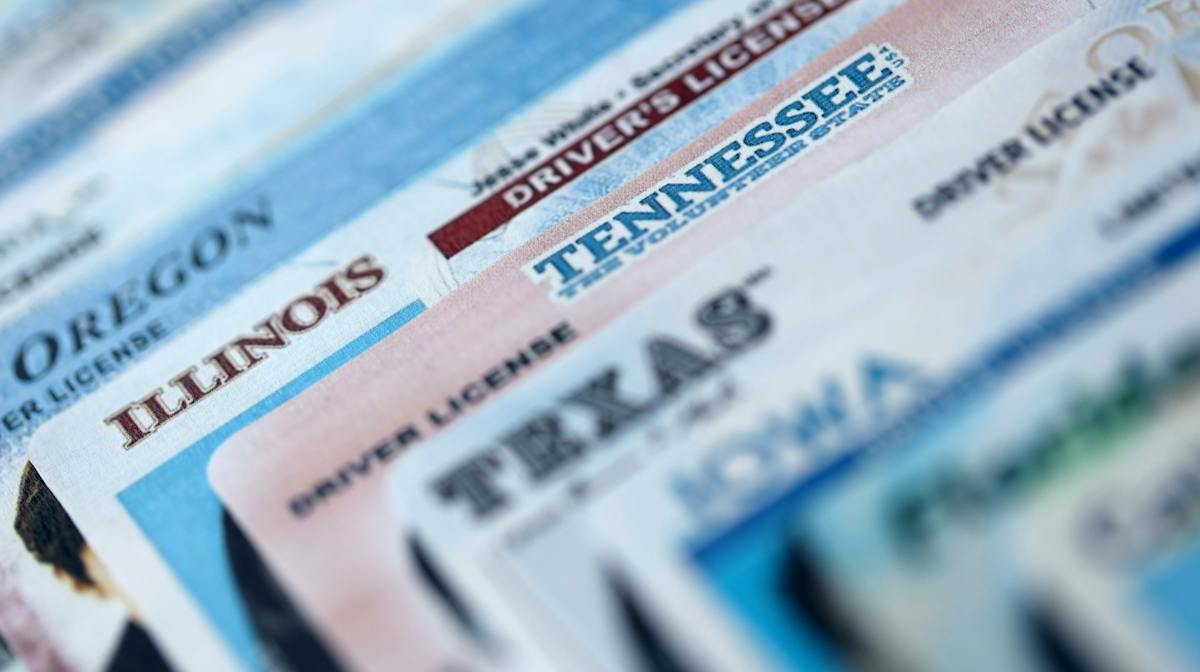
A massive collection of driver’s license scans may have fallen into the hands of cybercriminals, and the FBI is investigating.
According to recent reporting from cybersecurity journalist Brian Krebs, a dark web identity theft service claimed to have access to more than 153 million digital scans of U.S. and Canadian driver’s licenses, along with millions of other identity documents.1
If confirmed, the incident would represent one of the largest exposures of government-issued identification documents in North America to date.
It also highlights an uncomfortable reality of modern life: even when you are careful with your personal information, organizations you trust may still collect, process, or store copies of it.
So what happened in the Nexus driver’s license data breach?
The dark web service, known as Nexus, reportedly advertised access to more than 153 million driver’s license records as well as millions of other identity documents.
The FBI is investigating the incident and its potential source. Reporting has connected some of the exposed records to an identity verification provider that processes identification documents on behalf of businesses, although that company has not confirmed the breach, and the FBI’s investigation is still ongoing. Nexus has reportedly since been taken offline.
Why is a stolen driver’s license so valuable to criminals?
Think about how often you use your driver’s license to prove you are you.
It may contain your full name, photograph, home address, date of birth, driver’s license number, expiration date, physical characteristics, and machine-readable barcode information.
A high-quality digital copy gives a criminal something potentially much more useful than a stolen email address or password: a government-issued document designed specifically to verify your identity.
Combined with information obtained from other breaches, scams or data broker sources, stolen identity information can potentially be used in attempts to impersonate victims, open fraudulent accounts, take over existing accounts or bypass identity verification procedures.
And unlike a password, you cannot simply change your birthday, photograph, or other identifying information.
That makes monitoring what happens after your information has been exposed especially important.
What should you do if your driver’s license was exposed?
There is currently no confirmed public tool that can tell everyone whether their driver’s license appears in this particular dataset.
That does not mean you have to sit back and wait.
1. Monitor your credit closely
Watch your credit reports for accounts, inquiries, address changes, or other activity you do not recognize.
An unfamiliar credit inquiry can sometimes be an early indication that someone is attempting to use your identity.
2. Consider freezing your credit
A credit freeze can make it significantly harder for someone to open a new credit account using your identity.
Consumers can place freezes directly with Equifax®, Experian®, and TransUnion® and temporarily lift them when they legitimately need to apply for credit. For a deeper walkthrough, see our complete guide to preventing identity theft.
3. Watch for targeted phishing attempts
A major data exposure can create opportunities for secondary scams.
Criminals may combine stolen information with other publicly available data to create convincing emails, text messages, or phone calls.
Be especially suspicious of anyone contacting you unexpectedly and asking you to verify additional personal information, provide a password or security code, send money, or click a link to “protect” an account. Our scam guide breaks down the most common tactics scammers are using right now.
4. Strengthen your account security
Use strong, unique passwords for important accounts and enable multifactor authentication wherever possible.
If the same password is being used across multiple websites, change it. One compromised account should never provide the keys to several others.
5. Monitor the dark web for your personal information
Once personal information has been stolen and distributed online, getting every copy back is essentially impossible. The goal shifts from simply trying to keep information private to detecting exposure quickly and making that information harder for criminals to use. That is where identity monitoring can become especially valuable.
For a deeper look at protecting your driver’s license number, see what to do if your driver’s license number is found on the dark web or stolen.
How does OmniWatch protect you after a data breach?
You can’t control the cybersecurity practices of every business that handles your personal information. You can control how quickly you discover suspicious activity and how prepared you are to respond.
OmniWatch provides several layers of protection designed to help you detect and respond to identity theft, fraud, and scams.
Dark web and data breach monitoring
OmniWatch continuously monitors high-risk sources, including the dark web, for signs that sensitive personal information has been exposed. That includes your driver’s license specifically—you can add it as a monitored data point, alongside things like your Social Security number, email addresses, and financial account information.
If a potential exposure is detected, OmniWatch alerts you so you can take action.
Early detection matters because stolen information may sit unnoticed for months before someone attempts to use it.
Credit monitoring and alerts
If criminals have enough information to impersonate you, one common next step is attempting to open credit in your name.
OmniWatch monitors credit activity and can alert members to potentially suspicious changes, including new inquiries and accounts.
Elite and Family plans include three-bureau monitoring for additional visibility across Equifax, Experian, and TransUnion.
Credit lock and freeze assistance
When suspicious activity appears, speed matters.
OmniWatch helps members take action to lock down their credit, with tools and guidance for placing credit freezes to make it harder for criminals to open new accounts using stolen information.
AI-powered scam detection
Data breaches can also make scams more convincing.
A criminal who already knows your name, address, or other personal details may have a much easier time convincing you that a message or phone call is legitimate.
OmniWatch's scam protection tools help identify suspicious communications and potential phishing or social engineering attempts before they lead to more information or money being stolen.
24/7 identity restoration support
Discovering identity theft is only the beginning. Resolving it can mean contacting financial institutions, disputing fraudulent accounts, filing reports, and navigating a complicated recovery process.
OmniWatch members have access to identity restoration specialists who can help investigate an incident and guide them through the recovery process.
Instead of trying to figure out what to do alone, members have someone helping them around the clock through the process.
Up to $4 million in identity theft insurance
If identity theft results in eligible financial losses or recovery expenses, OmniWatch plans include identity theft insurance.
Standard plans provide up to $2 million in identity theft insurance per user, while Elite plans provide up to $4 million. Family plans provide expanded protection of up to $8 million for household members.*
The bigger lesson: assume your information may eventually be exposed
For years, cybersecurity advice focused primarily on keeping personal information from being stolen in the first place.
That is still important. But today's threat environment requires another layer of thinking.
Your information is stored by banks, retailers, healthcare providers, employers, apps, government agencies, identity verification companies, and countless other organizations. You can do everything right and still have your information caught up in a breach somewhere else.
The question increasingly becomes: If my information is exposed, how quickly will I know, and what will I be able to do about it?
Identity monitoring helps close that gap.
Dark web monitoring can identify potential exposure. Credit monitoring can flag suspicious financial activity. Scam detection can help identify attempts to exploit stolen information. And restoration specialists can help you restore your identity if theft occurs.
No identity protection service can guarantee that your information will never be stolen or that fraud will never occur. But you do not have to wait until a fraudulent account, unexpected bill, or denied credit application tells you something has gone wrong.
Protect your identity before the next breach notification
The reported exposure of millions of driver's license scans is another reminder that some of our most sensitive personal information exists far beyond our direct control.
Take proactive steps now.
Monitor your identity. Watch your credit. Protect your accounts. Stay alert for scams.
And make sure you have a plan for what happens if your information ends up somewhere it shouldn't.
See how OmniWatch can help you protect your identity, monitor your personal information, and support you if identity theft or fraud occurs.
Protect my identity nowThis guide is published by OmniWatch. Follow OmniWatch on Facebook for ongoing guidance on identity protection, digital safety, and scam awareness.
This article is for informational purposes only. Coverage, features and availability vary by plan. Identity theft insurance is subject to terms, conditions, limitations and exclusions.
*Restrictions and exclusions apply, click here to read full details of insurance coverage.
Sources
1 TIME, FBI Probes Possible Dark Web Sale of Over 153 Million Driver’s License Scans. How Can You Protect Your Info?, 2026