
Pig butchering scams: How crypto romance scams are stealing millions and how to protect yourself

- Pig butchering scams combine romance, crypto investing, and long-term psychological manipulation.
- Victims are groomed over weeks or months before being pushed into fake crypto platforms.
- These scams rely on fake dashboards, urgency, sunk-cost pressure, and emotional leverage.
- Anyone dating online—especially financially stable singles—can be targeted.
- Identity and scam protection tools can help limit damage and support recovery.
What is a pig butchering scam?
Despite the name, this scam isn’t actually about pigs.
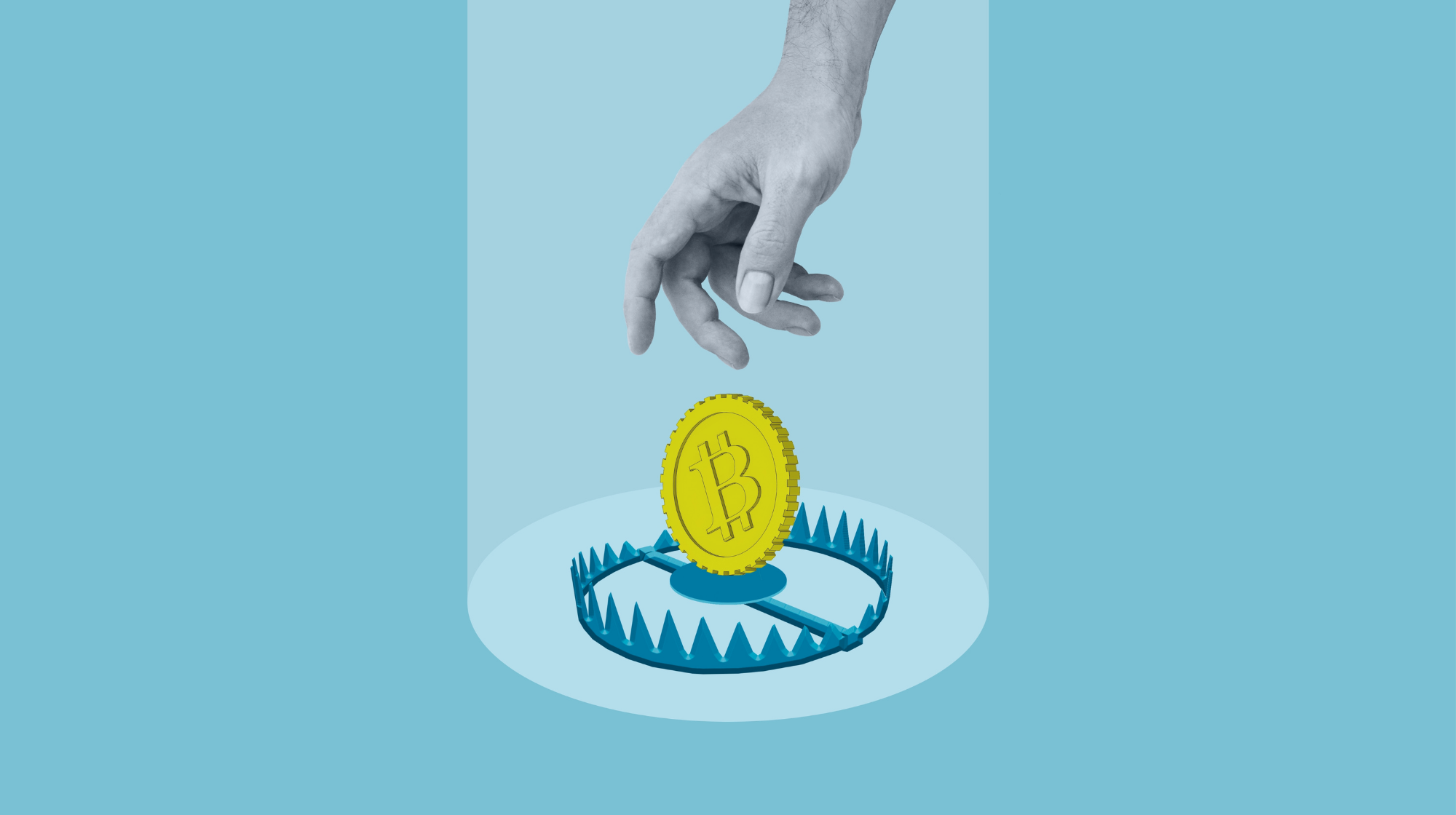
Pig butchering scam: A sophisticated form of crypto romance scam where a cybercriminal builds an emotional relationship with a victim, then uses that trust to trick them into a fake investment scheme.
The graphic name comes from how the scam works: “fattening up” the victim emotionally before leading them to financial “slaughter.”
Unlike traditional investment scams that move quickly, pig butchering is a long game. It relies on crypto grooming—a slow, deliberate process to build trust over weeks or months before gradually introducing crypto topics.
These romance scammers often present themselves as attractive, successful professionals who seem genuinely knowledgeable about cryptocurrency, trading, or “private” investment opportunities. The relationship may begin on a dating app, social media platform, or even through a “wrong number” text. In 2025, the top form of contact for imposter scams was through text messages.
Once trust is established, the scammer introduces a supposedly low-risk crypto investment. Early results look impressive. Profits appear to grow. The victim is encouraged to reinvest and commit more funds—until the platform suddenly freezes, disappears, or demands additional payments to unlock funds that never truly existed.
Why pig butchering scams are so profitable
These scams are devastatingly effective because they don’t rely on one-time payments. Victims are encouraged to invest again and again, increasing their losses with each round. Emotional attachment lowers skepticism, while fake data and “profits” reinforce confidence.
Losses can range from thousands to six figures, and recovery is rare. According to the FBI’s IC3 annual report, cryptocurrency fraud accounted for $9.3 billion in reported losses in 2024, making it one of the most financially damaging scam categories on record.
Why scammers target financially stable young adults
Pig butchering scams need someone financially stable, digitally savvy, and open to new opportunities in order to succeed. That’s why Millennials and Gen Z are often prime targets; they fit a scammer’s ideal profile.
In fact, from October 2020 to March 2021, it was found that people ages 20 to 49 were over five times more likely to report losing money on cryptocurrency investment scams than older age groups, according to the FTC.
Millennials and Gen Z are frequently targeted because they:
- Are comfortable with crypto and digital wallets
- Use dating apps and social platforms frequently
- May have disposable income or savings
- Are optimistic about high-growth investment opportunities
This isn’t about falling for something obvious. Pig butchering scams work because they’re carefully constructed to feel legitimate or low-risk (until it’s too late).
Why older adults have the most at stake in crypto scams
Younger adults may be highly targeted, but older adults suffer the greatest financial impact.
In 2024, adults over 60 reported nearly $3 billion in cryptocurrency fraud losses, the highest total of any age group by a wide margin. This suggests that once scammers establish trust, they increasingly focus on extracting larger sums from people with more assets at stake.
Older adults may be more vulnerable to severe losses because they:
- Have greater savings, retirement funds, or home equity
- May be less familiar with how crypto transactions work or how irreversible they are
- Are more likely to be targeted with authority- or urgency-based narratives
- May take longer to realize something is wrong, allowing losses to compound
Timeline of a typical pig butchering scam
Although the interactions may feel personal and organic in the moment, pig butchering scams tend to follow a predictable pattern. Each phase is designed to lower skepticism, deepen trust or emotional dependency, and make the next step feel logical rather than a risk.
Phase 1: Connection and trust building
The scheme almost always starts small and friendly. Whether it’s on a dating app, social media platform, or even a “wrong number” text, a catfish initiates a casual conversation to see if the person bites.
Gradually, they’ll build familiarity through consistent, daily contact, sharing personal stories, career success, or lifestyle photos. Over weeks or months, the relationship deepens. Good-morning texts, late-night conversations, and regular check-ins become the norm. This helps the connection feel genuine, and lets trust form naturally.
At this stage, there’s no talk of money.
Phase 2: Introduction to crypto investing
Once emotional trust is established, the topic of investing enters the conversation.
At this point in the scheme, the con artist will keep it lowkey. Rather than pushing for the victim to join, they frame it as sharing knowledge. They may offer to “teach” the victim or share access to a trading platform.
Above all, their goal is to keep the conversation from feeling salesy to avoid triggering suspicion.
Phase 3: Fake gains and reinvestment
If the victim decides to invest, they’re directed to a professional-looking crypto dashboard or app. The interface looks legitimate: charts update, numbers rise, and in some cases, small withdrawals may work early on. Encouraged by apparent success, the victim invests more.
What started as a small test then turns into larger deposits. The scammer encourages reinvesting profits, pointing to momentum and timing as reasons to act now. The decisions feel justified by what the platform appears to show.
In phase 3, emotional trust and financial commitment are deeply intertwined.
Phase 4: Pressure and collapse
Eventually, something goes wrong; the platform freezes, or a message appears claiming there’s a tax issue, liquidity problem, or verification fee. To access the funds, the victim is told they must send more money.
To maximize their profits, the scammer becomes urgent. Insisting it’s normal and temporary, they apply emotional pressure, reminding the victim how far they’ve come (or how close they are to cashing out).
If the victim hesitates—or is entirely depleted—the criminal will disappear entirely. The platform will vanish too. The funds were never real, and neither was the relationship the victim invested so much time and money into.
Tactics used in pig butchering scams
Pig butchering scams are so successful because they play on basic human psychology. Each tactic is designed to make the situation feel safe, familiar, and hard to walk away from.
Deepfake voice and video calls
Scammers are increasingly using AI-generated voice or video to appear legitimate during calls. A quick FaceTime call or voice note can lower suspicion fast if something feels off, reassuring the person on the other end that the catfisher is “real.”
Migration to private messaging apps
Scammers rarely keep the conversations on the original dating app or social media platform. They’ll often push to move to WhatsApp®, Telegram®, or Signal®—platforms with less moderation and more anonymity. This helps keep the criminals in control.
Screenshots of fake investment gains
Visual data can be persuasive, so victims are often shown screenshots or dashboards displaying impressive returns. While ultimately fabricated, they look polished and professional, especially to crypto-savvy users. Seeing numbers go up can feel more convincing than words alone, and it encourages bigger investments down the line.
Artificial urgency
Urgency is a key strategy later in the game. Scammers will introduce “limited-time” opportunities or insider access that will close soon. This discourages victims from independent research or asking someone else for advice, all of which could threaten the scheme.
Exploiting the sunk-cost fallacy
Once money is invested, walking away becomes emotionally difficult. Victims are encouraged to put in more to “protect” what they’ve already committed. The fear of losing everything keeps people locked in, even when things start to feel wrong. Fees, taxes, or verification payments are framed as the final step before a payout.
Red flags to watch for
Pig butchering scams all share consistent warning signs, even if the story feels personal or unique.
Early warning signs:
These don’t confirm a scam on their own, but multiple flags together are a strong indicator.
- Requests to move conversations off apps to private messaging platforms
- Excuses as to why they can’t meet in person
- Blurring the line between romance and investing
- Promises of unrealistic or “guaranteed” returns (especially in volatile crypto markets)
Serious red flags:
If you notice any of these flags, independent verification is critical.
- Professional-looking screenshots of crypto dashboards that can’t be independently verified
- Pressure to act fast with limited-time offers or exclusive opportunities
- Early gains followed by pressure to reinvest larger amounts
Critical red flags:
These red flags almost always indicate fraud.
- Encouragement to keep the relationship or investment secret, or avoid talking to friends or family
- Claims that your account is frozen due to taxes, liquidity issues, or verification problems
- Requests for additional payments to unlock, verify, or withdraw your funds
Legitimate relationships don’t require financial risk, and legitimate investment platforms don’t ask for extra money just to access your own funds.
One red flag might be a coincidence. Several together (especially critical ones) means it’s time to stop sending money and seek help.
How to avoid pig butchering and romance scams
Avoiding a romance scam isn’t about being suspicious of everyone you meet online. Rather, it boils down to separating emotions from financial decision-making, even when trust feels real.
If someone in your life (especially somebody new) introduces an investment opportunity, always verify it on your own. Look up the platform using trusted sources, and never download unknown apps or click on links shared by someone you haven’t met. Remember, real investment tools don’t rely on private referrals, and they don’t require secrecy to work.
Never allow anyone remote access to your phone or computer for trading help, account setup, or troubleshooting. That kind of access gives cybercriminals everything they need to take control of your finances and can also lead to identity theft. No legitimate investor or platform will ask for this.
Most importantly, keep romance and finance separate. If someone you’re dating pushes you toward financial decisions, that’s a serious boundary violation.
If something feels off, freeze accounts, stop sending money, and get help as soon as possible. Acting quickly can help limit further damage.
How OmniWatch helps protect you from crypto romance scams
Pig butchering scams don’t just drain accounts—they can lead to identity theft, long-term financial damage, and emotional distress. OmniWatch is designed to help protect you before, during, and after fraud.
With scam-loss insurance on eligible plans of up to $25,0001, OmniWatch can provide financial support if you fall victim to certain scams. Identity and credit monitoring alert you to unusual activity that may follow a crypto investment scam. If your information is misused, U.S.-based expert scam agents help guide you through next steps. OmniWatch Elite plan’s industry-leading coverage includes up to $25,000 in scam protection insurance that may help to cover losses from social engineering scams (Exclusions and limitations apply).1
OmniWatch adds a layer of protection when trust is exploited.
Try OmniWatch starting at just $7 and protect yourself against modern scams.
Get protected now →How to report a pig butchering or romance scam
Reporting helps protect others from the same situation and can be important if you’re trying to recover losses or document fraud. If you believe you’ve been targeted, consider reporting the scam to:
- The FTC (Federal Trade Commission) at reportfraud.ftc.gov
- The FBI’s Internet Crime Complaint Center (IC3) at ic3.gov
- Your crypto exchange or wallet provider
- Your bank or payment provider, even if the transaction was crypto-related
Save all the evidence you can, including messages, wallet addresses, transaction IDs, screenshots, and links. Even if recovery isn’t guaranteed, reporting creates a record and may help prevent future scams.
Frequently asked questions
Q: Can you recover money from a pig butchering scam?
A: Recovering money from a pig butchering scam is difficult, especially when cryptocurrency is involved. Crypto transactions are often irreversible, and many victims don’t realize what’s happened until the funds are gone.
That’s why speed and protection matter. Reporting the scam quickly and preserving any evidence can improve your chances, but prevention and background coverage are what make the biggest difference. Insurance-based scam protection and scam monitoring tools can help users spot risks sooner and recover certain losses if the worst happens.
Q: Why is it called “pig butchering”?
A: The term refers to how scammers “fatten up” victims (the “pigs”) emotionally and financially over time before taking everything at once (the “butchering”).
Q: Do pig butchering scammers use AI?
A: Yes. Many scams now use AI-generated voices, images, and scripted conversations to scale operations and appear more convincing. This can include deepfake-style profile photos, voice notes, or video calls designed to reinforce trust and reduce suspicion.
Q: How can you tell if you are talking to a scammer?
A: Romance scammers may not seem suspicious right away, but they often follow familiar patterns over time. Common warning signs include:
- Unsolicited messages or “wrong number” texts
- Fast emotional connection or excessive “love bombing”
- Requests to move the conversation off the original platform
- Avoidance of video calls or in-person meetups
- Vague, inconsistent, or unverifiable personal details
- Early mentions of cryptocurrency, investing, or financial opportunities
- Pressure to act urgently or keep the relationship private
If several of these red flags appear at the same time, do not share any personal or financial information. Consider verifying the person independently before continuing communication.
1 An OmniWatch Elite plan adds an extra layer of protection with up to $25K in scam insurance and $25K in ransomware insurance.