
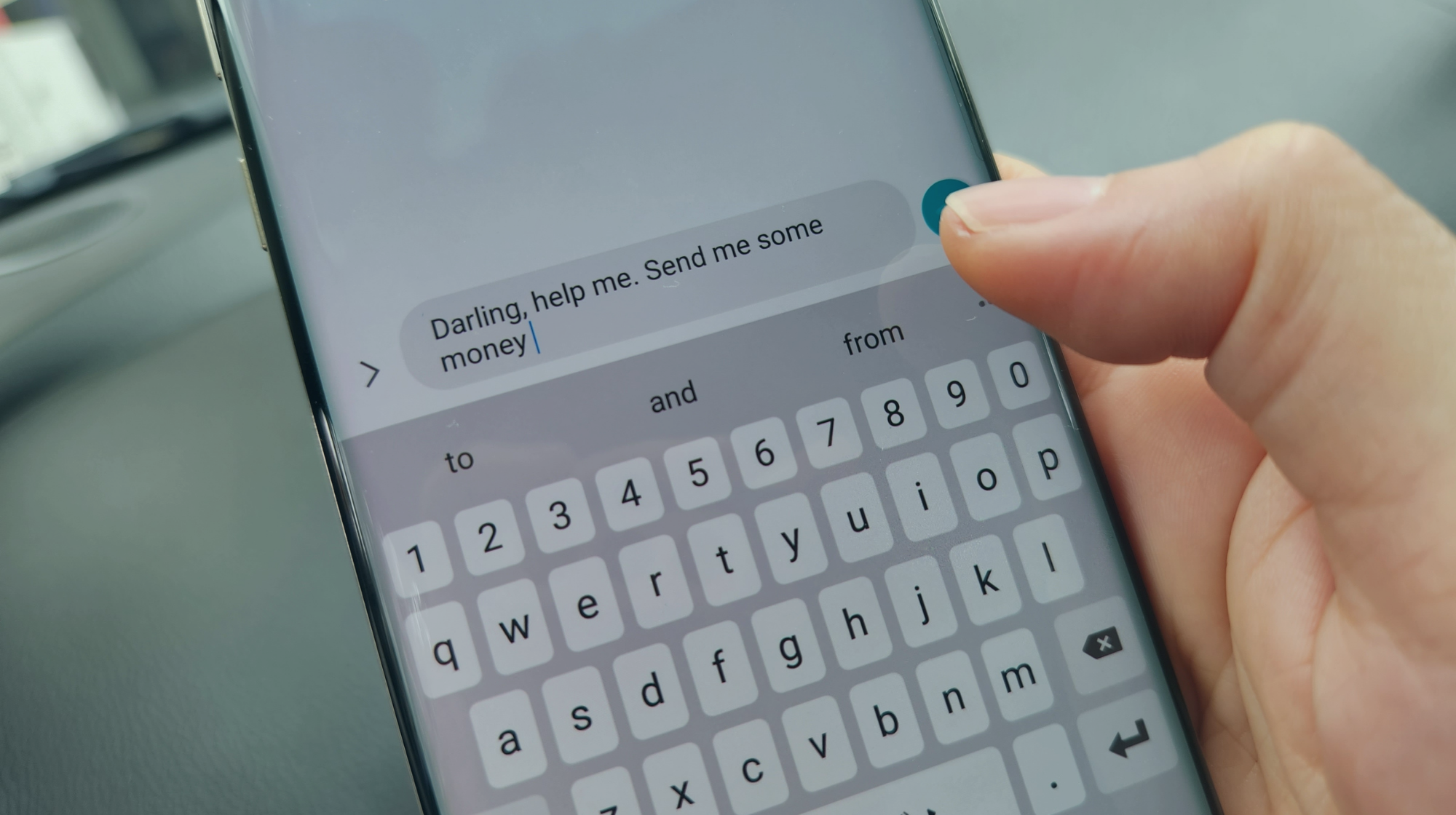
What to do if you sent money to a romance scammer

If you’ve realized you sent money to a romance scammer, act fast. The steps you take in the next hours and days can limit financial loss, protect your identity, and stop further harm.
- Stop all communication immediately
- Contact your bank, payment app, or crypto exchange
- Report the scam to IC3 and the FTC
- Freeze your credit and lock key accounts
- Get ongoing protection with identity monitoring and scam-loss insurance
Step 1: Stop all communication immediately
As hard as it may feel, stop responding immediately.
Scammers are trained to push harder once they sense doubt, using guilt, pressure, or even threats to keep you engaged. Romance scams run on emotional momentum, and every message back gives them another opening to manipulate you or ask for more money or personal information.
Blocking these cybercriminals isn’t rude or wrong; it’s the safest next step.
What to do:
- Block them on all platforms (dating apps, email, messaging apps) after documenting
- Do not explain, argue, or warn them
- Do not send “one last payment” to make it stop—it won’t
Step 2: Document everything
Before blocking the scammer completely, preserve all evidence. This is critical for reports and any recovery attempts. Store copies offline or in a secure folder.
Collect:
- Screenshots of conversations and profiles
- Email addresses and phone numbers
- Dating app usernames and profile URLs
- Payment receipts, transaction IDs, wire confirmations
- Crypto wallet addresses and exchange details
Step 3: Try to recover your money as quickly as possible
Getting your money back isn’t guaranteed, but acting fast gives you your best chance. The sooner you report the payment as fraud, the more likely it is that a transaction can be stopped, reversed, or flagged before the funds disappear completely.
If you paid via:
- Dispute the charge as fraud with your card issuer as soon as possible. Credit cards typically offer stronger consumer protections than other payment methods, especially if the charge is recent.
- Contact your bank’s fraud department immediately. If the funds haven’t fully cleared, the bank may be able to place a hold or initiate a recall. Once wires are finalized, recovery becomes much harder. Early reporting is critical.
- Report the transaction directly within the app and follow up with customer support. While peer-to-peer payments are often treated as “authorized,” reporting quickly can still help freeze accounts or prevent further losses.
- Contact the exchange you used (such as Coinbase, Binance, or Kraken) immediately. Provide the transaction ID and request that the wallet address be flagged as fraudulent. Crypto transactions are typically irreversible but reporting helps exchanges monitor and potentially stop related activity.
- Contact the gift card issuer immediately and provide the card numbers and receipts. If the balance hasn’t been fully redeemed, some funds may still be recoverable.
Finally, consider filing a police report. While it doesn’t guarantee reimbursement, it can support fraud claims, help with insurance eligibility, and contribute to broader investigations that protect others.
Why scam insurance protection matters when trying to recover money
Because many modern scams slip past banks and traditional fraud protections, OmniWatch includes scam insurance on eligible plans designed to help when standard protections fall short.‖
- Identity monitoring and alerts: Ongoing monitoring helps detect suspicious activity and alerts you if your personal information is misused or exposed after a scam.^
- Dedicated specialists: U.S.-based restoration experts can guide you through filing claims and working with financial institutions.
- Industry-leading coverage: OmniWatch Elite plan’s industry-leading coverage includes up to $25,000 in scam protection insurance that may help to cover losses from social engineering scams (Exclusions and limitations apply).◊
If you’ve already sent money to a scammer—or you’re worried about what could happen next—OmniWatch helps you move forward with support, monitoring, and coverage when it matters most.
Step 4: Protect your identity ASAP
Romance scammers may not stop at money. If they’ve gained your trust, there’s a real chance they also have access to personal details that can be used for identity theft weeks or even months later. Taking action now can prevent additional damage.
Take these steps immediately:
- Change passwords starting with your most critical accounts:
- Update passwords for your email, banking, and financial apps first. Email access is especially important, since it’s often used to reset other accounts.
- Enable two-factor authentication everywhere:
- Two-factor authentication adds an extra layer of protection, making it harder for someone to access your accounts even if they have your login details.
- Place fraud alerts or credit freezes with credit bureaus:
- Contact the three major credit bureaus to add a fraud alert or freeze your credit. This helps prevent new accounts or loans from being opened in your name without your approval.
- Lock your SIM card with your mobile carrier:
- Ask your carrier to add a PIN or port-out protection to your account. This helps stop SIM-swap attacks used to hijack accounts and intercept verification codes.
- Monitor for new accounts or loans opened in your name:
- Watch for unfamiliar credit inquiries, loans, or account openings. Identity misuse doesn’t always happen right away—early alerts matter.
Consider extra support while you recover from a romance scam
After a romance scam, identity theft and credit misuse can appear weeks or months later. Scammers may use your personal information to open new accounts, apply for loans, or run fraudulent credit checks in your name.
Identity and credit monitoring can help by:
- Alerting you to signs of identity theft, such as new accounts or loans opened in your name
- Notifying you of unfamiliar credit inquiries or changes to your credit report, which is often the first warning sign of misuse
- Giving you time to act quickly—freezing accounts, disputing activity, and limiting further damage
This added layer of identity theft protection helps many victims stay informed and protect their finances while recovering from a romance scam.
Step 5: Report the scam
Reporting a romance scam can feel overwhelming, but filing reports helps protect others from the same cybercriminals you dealt with. It can also support recovery efforts, insurance claims, and future disputes, even if your money isn’t immediately recovered.
File reports with the following organizations:
- FBI Internet Crime Complaint Center (IC3): ic3.gov
- IC3 collects data on online scams, including romance scams, and shares it with law enforcement agencies.
- Federal Trade Commission (FTC): reportfraud.ftc.gov
- The FTC tracks fraud trends and uses reports to warn the public and take enforcement action.
- The dating app or social platform used
- Report the account directly within the app or platform. This helps get the scammer removed. Include screenshots if possible.
- Your financial institution
- Even if you’ve already contacted them, follow up with a formal fraud report, which may be required for disputes or insurance claims.
- Your state Attorney General (optional but helpful)
- Many state Attorney General offices track consumer fraud and may offer guidance or additional reporting options.
Remember, reporting doesn’t mean you did something wrong. It means you’re taking control of the situation and helping stop the scam from spreading.
Emotional recovery and shame management
If you’re thinking, “How did I fall for this?”, you’re not alone. This is one of the most common reactions after falling victim to a romance scam, and it doesn’t mean you were careless or naïve. Romance scams are far more common than most people realize. According to the Federal Trade Commission (FTC), nearly 70,000 people reported being victims of romance scams in 2022 alone.1
These cybercriminals have spent years perfecting their craft. These imposter scams use psychology, trust-building, and emotional manipulation to create a connection with their victims. Scammers study their victims, mirror emotions, and apply pressure only after trust is established.
Shame is one of a scammer’s most powerful tools. When victims feel embarrassed or blame themselves, they’re less likely to speak up or ask for help. That silence allows scammers to continue targeting others (and in some cases, return to the same victim later).
Talking to someone you trust—a friend, family member, or support professional—can make a real difference. Sharing what happened helps break the isolation, reduces emotional burden, and can lead to better next steps. Recovery isn’t just about protecting your finances or identity, it’s about your personal recovery too.
Don’t let love cost you again
After a romance scam, extra protection can help you move forward with more confidence. OmniWatch is designed to support you before, during, and after a cybersecurity incident, helping you address what already happened and reduce the risk of future scams.
- Scam-loss insurance on eligible social engineering scams
- Identity protection and monitoring to watch for misuse
- Dark web alerts if your personal data is exposed
- Recovery specialists to help guide next steps
Frequently asked questions
Q: Can I get my money back?
A: Sometimes. Whether recovery is possible depends on how you paid and how quickly you acted.
Credit card charges and some bank transfers may be recoverable if reported right away. Payments made through wire transfers, peer-to-peer apps, gift cards, or cryptocurrency are much harder to reverse, but reporting them is still important.
Even when funds can’t be recovered, documentation can support disputes, insurance claims, and future protection.
Q: Should I pay again if they threaten me?
A: No. Paying never stops the scam—it escalates it. Scammers rely on fear and urgency to keep victims stuck in the cycle. The safest thing to do is to stop all communication and focus on securing your accounts.
Q: What if they're blackmailing me?
A: Being threatened can be scary, and it’s understandable to feel unsure about what to do next.
If a scammer is threatening you, do not comply with their demands. The most important thing to do is stop all communication and report the situation immediately to the authorities. Giving in to blackmail rarely ends the threats and often leads to continued extortion.
It’s never embarrassing to ask for help. Taking action can protect you and prevent you from any further harm.
Q: Will a romance scam affect my credit?
A: It can, but not always. A romance scam may affect your credit if a scammer uses your personal information to open new accounts, apply for loans, or run credit checks under your name. That’s why it’s important to monitor your credit for suspicious activity and place fraud alerts or freezes if needed. Taking action early can help prevent long-term damage to your credit score.
1 ICE, “Romance Scams: Protect Yourself” Accessed Dec. 23, 2025.
‖ This feature is included on the OmniWatch Elite and OmniWatch Family Plan. ◊ Elite Plan includes a combined maximum benefit of $50,000: $25,000 for scam protection and $25,000 for ransomware protection. Coverage is in addition to, and does not reduce or limit, ID theft insurance. Residents of New York are not eligible for ransomware coverage. ^ These features require you to authenticate your identity with TransUnion. This will not impact your credit score.