
Protect your property with home title monitoring
Get alerted if your property title is stolen or tampered with. Our title monitoring protects your home from fraudulent transfers, liens, and identity misuse.


What is home title monitoring?
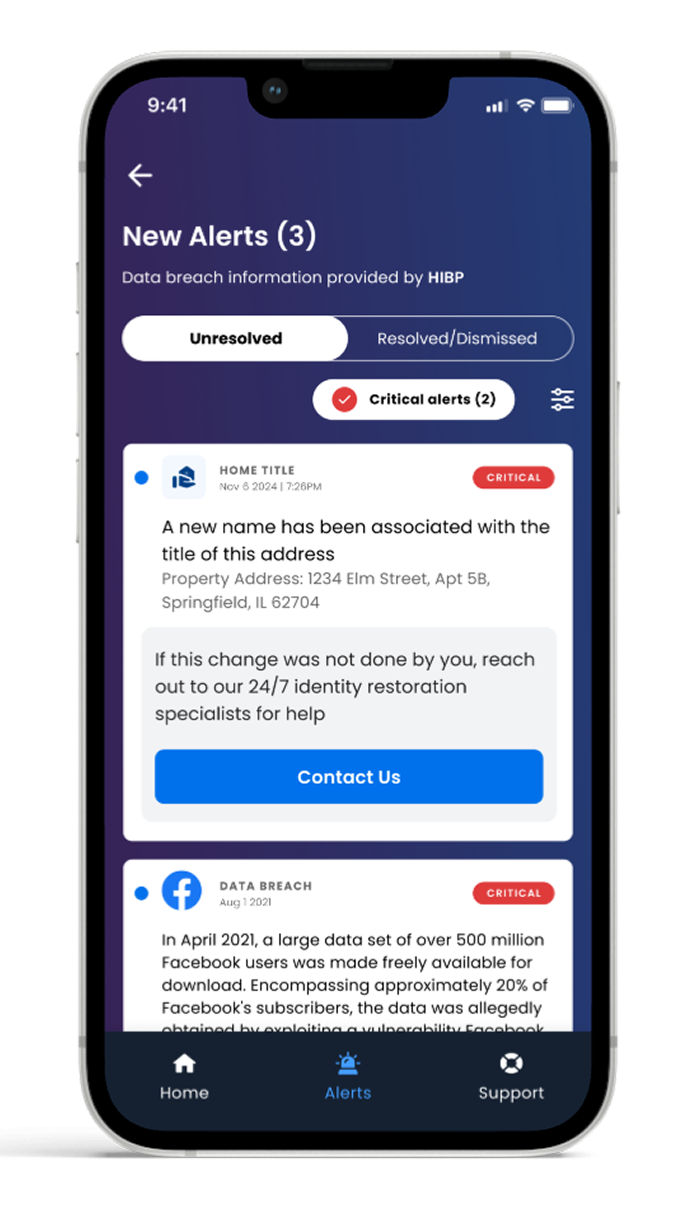
OmniWatch title monitoring tracks changes to ownership records and alerts you if a new name is associated with your property deed title.
Quick detection and automatic title alerts help you take action before the damage is done.
Key features:
… and more
How does title fraud happen?
Home title fraud is on the rise — criminals can forge documents to transfer your property into their name without you even knowing.

Forged signatures:
Criminals file fake deeds using your name

Fake notarization:
Scammers forge notary seals to trick recorders

Illegal transfers:
Your home could be sold out from under you

New loans:
Fraudsters take out loans against your title
Real estate fraud statistics in 2024
Other types of real estate scams
Who is most at risk for title fraud?
Property title fraud affects more people than you’d think — and it’s especially dangerous because it often goes unnoticed until it’s too late.
Common targets of home title theft:
-
Seniors with fully paid-off homes

-
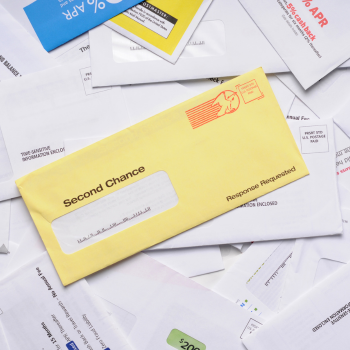
Busy families who miss paper mail alerts
-
Real estate investors or landlords

-
Anyone with a second home or vacation property

OmniWatch title monitoring lets you know first — so you can act fast
Our home title monitoring is connected to public record databases across the country. As soon as something changes on your property title, we alert you — and our identity resolution specialists help you resolve it, step by step.
- Fast alerts

- U.S.-based fraud support team

- Identity theft insurance with up to $2M in coverage

How OmniWatch home title monitoring works
- 1
Activate
Activate protection for your home(s)
- 2
Monitor
Monitor title changes via national property records
- 3
Alert
Get notified when a name, signature, or lien is added
- 4
Resolve
We help you take action if fraud is detected
Real examples of property fraud

The most sophisticated scam I've encountered involved fake property owners using stolen identities to list homes they didn't actually own. These scammers had created convincing fake IDs, forged property documents, and even knew intimate details about the properties from public records and social media stalking the real owners. What made this particularly dangerous was their patience–they'd research homeowners who were traveling or temporarily relocated, then approach cash buyers like us with urgent sale stories. They had legitimate-looking paperwork and could answer detailed questions about the property's history because they'd done their homework on public records and neighborhood Facebook® groups. I caught them because I always require multiple forms of verification before making any offer. Instead of just reviewing the documents they provided, I cross-reference property records through completely separate channels, require in-person meetings at the actual property, and verify identity through multiple touchpoints. When they couldn't produce utility bills or neighbor references, red flags went up immediately. My single most effective protection strategy is "multi-source verification–never rely on documents or information that comes from just one source, especially when large amounts of money are involved. I always verify property ownership through at least three independent channels: county records, utility companies, and physical neighborhood verification. This approach has saved us from multiple six-figure fraud attempts.
Key Protection Strategy:
Multi-source verification–never rely on documents or information that comes from just one source, especially when large amounts of money are involved. Always verify through at least three independent channels.

After 30 years in commercial roofing across New Jersey, the most sophisticated scam I faced was a fake "emergency storm damage" operation targeting property managers after Hurricane Ida. These scammers had detailed aerial photos of actual roof damage, professional insurance documentation templates, and even knew specific manufacturer warranty terms for detailed systems. What made them dangerous was their urgency tactics–they claimed FEMA deadlines required immediate contracts and demanded 50% deposits "to secure materials before shortages." They even had fake certification documents that looked legitimate. I nearly fell for it because they knew our industry terminology perfectly. The thing that saved me was my standard practice of calling manufacturer reps directly to verify contractor certifications. When I contacted our rep about their "certified installer," they had no record of the company. I also cross-referenced their business license with New Jersey Division of Consumer Affairs–it was fake. My single strategy: Always verify contractor certifications directly with manufacturers, not through documents they provide. Real certified contractors welcome this verification because it proves their legitimacy. This saved me $85,000 and I've used this same check to help three other property managers avoid similar scams since then.
Key Protection Strategy:
Hang up and call the official number listed on the organization's website to verify legitimacy.
Protect more than just your property
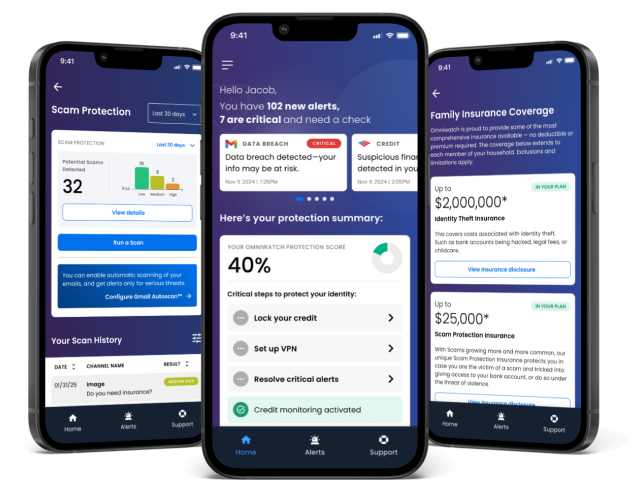
OmniWatch goes beyond property protection. Every plan includes:
… and more
Frequently asked questions
Home title fraud occurs when someone forges your signature or uses fake documents to transfer ownership of your property without your knowledge.
Title monitoring tracks official property records to detect if your name has been removed or if a new owner has been added without authorization.
You’ll receive an alert via email and/or mobile notification anytime we detect changes to your monitored property titles.
Yes! You can add multiple properties to your monitoring dashboard, including second homes or investment properties.
- FBI IC3 2023