
 Call us at (877) 892-8249

Every year, millions of older adults become targets of online scams, with losses totaling over $16 billion in the United States alone, according to the FTC. Scammers have grown more sophisticated, using deceptive emails and links to trick even the most cautious individuals.
Sadly, seniors are often singled out due to their trusting nature and unfamiliarity with evolving digital threats, making them especially vulnerable to financial loss and emotional distress.
In honor of World Elder Abuse Awareness Day, we asked thought leaders about their best tips for keeping elderly loved ones safe online.
"How do you protect elderly family members from scams targeting seniors? What's one approach that has proven particularly effective in your experience?"
Here is what 15 leaders across multiple industries are doing to ensure their families are protected from modern scammers.
Automate protection with "set-it-and-forget-it"
What the experts say
Kit FachProduct Manager, OmniWatch
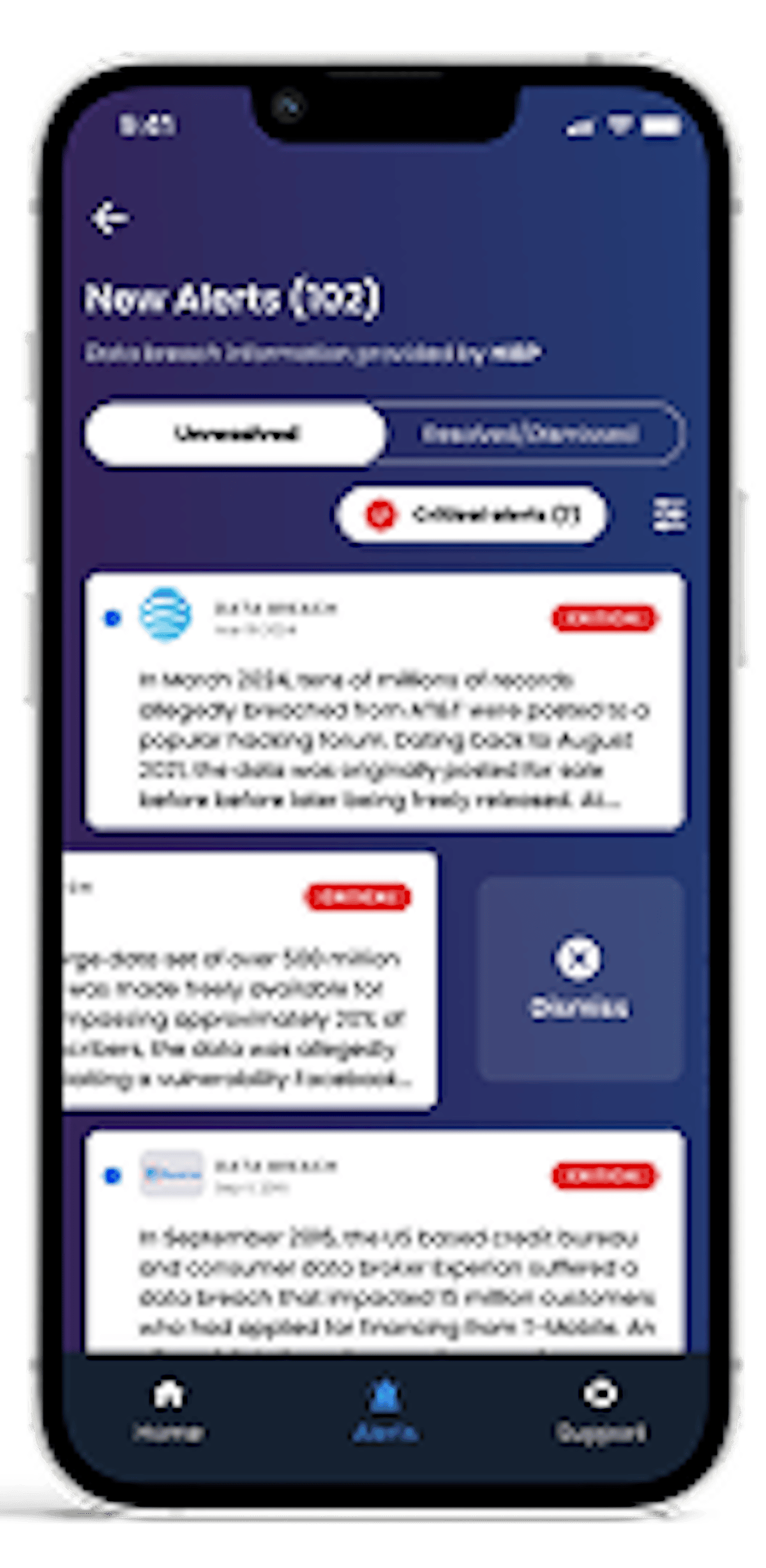
"I’ve always worried about my mom falling for online scams, but giving her endless warnings just stressed everyone out. With set-it-and-forget-it tools like OmniWatch scanning her Gmail or Outlook inbox for dangerous links, I finally have peace of mind knowing she’ll get a warning the moment something suspicious comes in, even if I’m not there to help."
Forward unknown calls to voicemail
What the experts say
Marcus DenningSenior Lawyer, MK Law
"I started by adding their phone numbers to the National Do Not Call Registry. Then I set their mobile settings to allow only saved contacts to ring through while all other callers go to voicemail. Locking everything down has sifted the noise out and stopped many scam attempts before they even have an opportunity to begin."
Build a "Buddy System"
What the experts say
Beth SouthornExecutive Director, LifeSTEPS
"Through my work serving more than 100,000 residents in affordable housing communities, I've found that involving neighbors in scam prevention creates one of the strongest protection networks for seniors. The most effective approach we've implemented is pairing seniors with younger neighbors or other residents who check in regularly. In one of our Sacramento properties, an upstairs neighbor immediately recognized a suspicious pattern of calls from someone claiming to be from Medicare billing and helped a resident report it. What makes this work is that it's relationship-based, not technology-dependent. When seniors have regular human contact through structured community programs, they're far less vulnerable to the emotional manipulation that makes scams successful."
Set up joint account monitoring
What the experts say
Shaun BettmanCEO & Chief Mortgage Broker, Eden Emerald Mortgages
"I protect my elderly relatives by setting up joint accounts or granting view-only access to a trusted family member, usually someone who can monitor transactions daily without interfering with their independence. This was something I had done with my uncle after he mentioned being contacted by a person claiming to be from his bank. I didn't want to take control away from him, but I wanted to see what was going on so I could catch anything sketchy before it got out of hand. After a week of its installation, I noticed several strange purchases, all below the amount of $100, in various and diverse online stores. He had given his card details to an imposter company claiming it was a utility company. Since I was tracking the account on a real-time basis, I was able to halt it before the charges escalated, and I called the bank right away. They charged it in reverse, they froze the card, and gave them a new one the following day."
Host casual Finance Fridays
What the experts say
Jerry Gerald VinciCEO, CCR Growth
"After working with thousands of senior living families over 20 years, I've seen how isolation makes seniors vulnerable to scams. The most effective protection I've witnessed is creating structured, regular touchpoints that naturally reveal when something's off. One family I worked with set up weekly 'Finance Fridays' where they'd casually discuss upcoming expenses over coffee. When their 78-year-old father suddenly became evasive about his bank statements, they found he'd been targeted by a Medicare scam that had already cost him $800. The key is making these conversations feel supportive rather than invasive. What makes this particularly powerful is that it builds trust before problems arise. When seniors feel connected and valued in financial discussions, they're more likely to ask questions about suspicious calls rather than handle them alone."
Build their confidence
What the experts say
Maybell NievesSurgical Oncologist, AlynMD
"What has worked best for my family is making scam awareness an ongoing conversation rather than a one-time warning. Whenever I hear about a new scam targeting older adults, I share it with my relatives and explain exactly how it works, what red flags to watch for, and what scammers are hoping to achieve. The goal isn't to scare them—it's to make the tactics feel familiar before they ever encounter them. We've also established a simple rule: if a call, text, email, or financial request feels urgent or unusual, they check with me first. That extra layer of communication has helped prevent costly mistakes and given them more confidence when navigating situations that might otherwise feel confusing or intimidating."
Keep a "Safe List" by the phone
What the experts say
James MyersVP of Business Development, VINEVIDA
"I keep my grandparents safe from scams by creating a written list of verified contacts that stays right next to their phone. This list contains family members, their bank, doctor, and service providers. Whenever someone calls claiming to be from a bank or government office, they're instructed to hang up and verify the information using the list before taking any action. That simple list has already prevented a bogus Medicare call and a fake utility refund scam because they now cross-reference every unexpected call against trusted contacts."
Use visual reminders
What the experts say
Marta PawlikDirector, Laik
"My grandmother was called by scammers claiming she would lose her electricity unless she immediately paid a fee. The caller even knew her address, which made the threat seem real. To help protect her, I printed hard copies of common scam warnings and placed them inside a cupboard she opens every day. The reminders included examples like fake utility calls, government impersonators, and family emergency scams. The visual reinforcement worked far better than verbal reminders. If a caller's story matches something on her list, she hangs up immediately without second-guessing herself."
Lean on caregivers
What the experts say
Tanner GishDirector of Operations, Loving Homecare Inc.
"One of the most effective ways to protect elderly family members from scams is through education and a trusted support system. In our caregiving experience, having a professional caregiver involved adds an extra layer of protection. Caregivers can monitor unusual calls or mail, provide companionship that reduces isolation, and quickly alert families if something seems suspicious. This proactive approach empowers seniors to make informed decisions and significantly lowers their risk of falling victim to scams."
Watch for behavior shifts
What the experts say
Alon BarzakayAttorney, The Barzakay Law Firm
"One particularly effective approach is maintaining proactive, consistent observation of subtle changes in an elderly family member's behavior and well-being. This goes beyond looking for obvious warning signs and includes noticing changes in mood, communication patterns, or sudden secrecy around finances. Just as physical injuries can indicate abuse, reluctance to discuss money matters can be a sign that something is wrong. By staying attuned to these subtle cues and maintaining open communication, families can intervene early and protect loved ones from those seeking to take advantage of them."
Set a family codeword
What the experts say
Chris McDermott__
"My best tip to beat scams and protect our elders is setting up a family codeword system. If they get a suspicious call claiming to be a relative in trouble, they ask for the codeword before reacting. It's simple but powerful. Scammers usually hang up once questioned. One day, my grandfather got a call from someone pretending to be his son, claiming he was in jail and needed bail money. He calmly asked, 'What's the family word?' and the scammer hung up instantly. This tiny layer of security keeps emotions from taking over and gives seniors a quick way to filter truth from fraud."
Keep the convo low-key
What the experts say
Joe HawtinOwner, Marin County Visitor
"One thing that's actually worked for protecting my elderly parents from scams is having regular, low-key conversations about new fraud tactics. I don't bombard them with warnings. Instead, I share stories about scams targeting seniors, like fake IRS calls or tech support schemes, and ask whether they've encountered anything unusual. This keeps the topic approachable and helps them recognize red flags without feeling anxious or lectured. For example, my mom once received a call from someone pretending to be a grandchild in trouble. Because we'd talked about these scams before, she paused before reacting. Afterward, we practiced ways to verify those calls, like asking questions only a real family member would know. Scam awareness works best when it feels like a family check-in rather than a scary lecture."
Filter the noise
What the experts say
Riley BeamManaging Attorney, Douglas R. Beam, P.A.
"Aside from keeping seniors informed, I'd focus on limiting the number of ways scammers can reach them in the first place. That doesn't mean cutting them off from the world or restricting their online activity. It's about putting safeguards in place. Setting up fraud alerts on financial accounts, blocking unknown callers, and enabling strong spam filtering can dramatically reduce exposure to scams. I'd even recommend moving them to email providers with robust spam protection. You can't be too careful with these things. The more layers of protection you have in place, the less likely it is that a scam attempt ever reaches them."
Cover all bases
What the experts say
Matthew RamirezFounder, Rephrasely
"Protecting elderly family members from scams requires a combination of education, communication, and practical safeguards. One approach that has proven particularly effective is having regular conversations about common scam tactics. By explaining warning signs such as unsolicited payment requests, fake charity appeals, or offers that seem too good to be true, seniors become more confident in recognizing potential fraud. Encouraging them to pause and contact a trusted family member before responding to suspicious messages creates an important safety net. Pairing that habit with call-blocking services, spam filters, and other protective tools helps reduce exposure and lowers the risk of falling victim to scams."
Make second opinions standard
What the experts say
Adam DayanFounder, Consumer Law Group, LLC
"You need to keep the conversation going and encourage seniors to reach out whenever they encounter something suspicious. It's not enough to simply block unwanted calls or messages because scammers will always find new ways to get through. When older adults know they can check in with someone they trust, they gain an additional layer of protection while also feeling supported rather than isolated. Before clicking, buying, signing, or wiring money, they should run it by someone they trust. Not because they're incapable, but because modern scams are designed to sound urgent and believable. Often, a brief pause and a second opinion are enough to stop a scam before any damage is done."
Wrapping up
Keeping our older loved ones safe from scams isn’t just about giving them a heads-up now and then—it’s about setting up real protections and, most importantly, making sure we talk openly and often. Things like having a family codeword, using simple tech tools, or just checking in about money every week really help.
The main idea is to make sure seniors never feel rushed or alone when someone asks them for money—they should always know it’s okay to pause and double-check with someone they trust. If we work together to build up these habits, we can help our seniors stay safe, feel confident, and not get cut off from the digital world.
Don't let your senior fall victim to scams
Don't let your senior fall victim to scams
Add a loved one to your OmniWatch Family Plan for better upfront detection, plus up to $50K in scam insurance.
Get protected today