
 Call us at (877) 892-8249

QUICK ANSWER
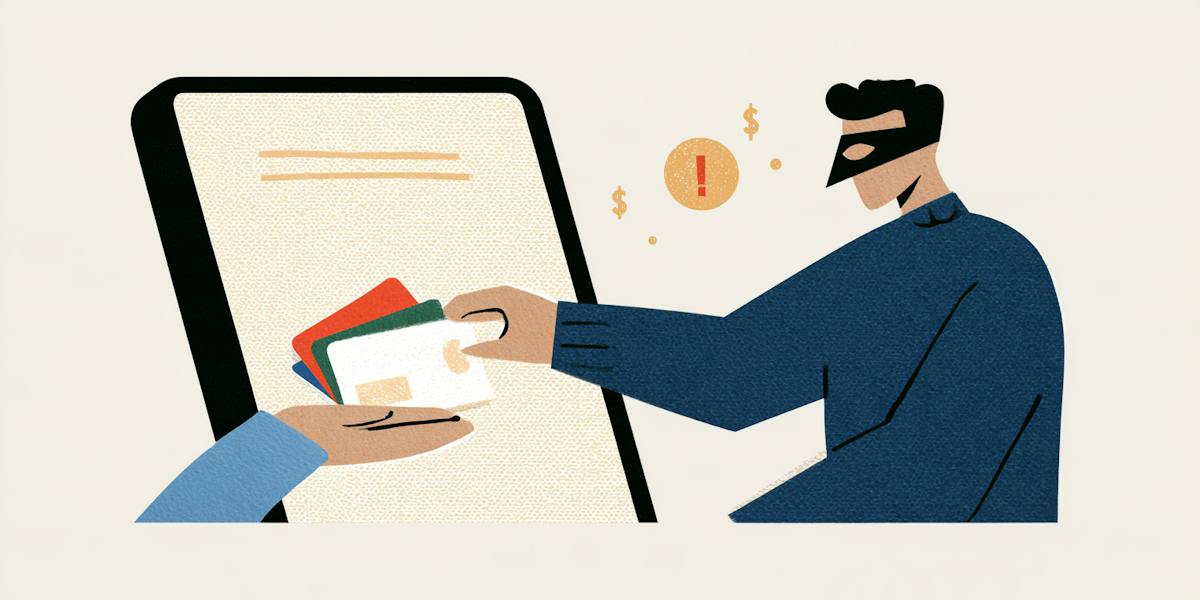
A gift card scam starts when someone convinces you to pay them with gift cards, then asks you to read off the numbers on the back or send a photo of the card. Those numbers are all a scammer needs to spend the balance, which is why no real business or government agency will ever ask you to pay this way. If you’ve already shared the numbers, contact the company that issued the card as soon as you can, tell them it was used in a scam, and ask if they can help. Then report it to the FTC at ReportFraud.ftc.gov.
Key takeaways
- If someone tells you to pay with a gift card, it’s likely a scam. The FTC is clear on this, whether the caller claims to be the IRS, your bank, or a family member.
- The card number and PIN on the back are all a scammer needs. They can drain the balance in minutes, even while the card is still in your hand.
- The story changes, but the pressure doesn’t. Watch for urgency, a request to keep it secret, and someone who wants to stay on the phone while you shop.
- If you already shared the numbers, call the card issuer right away. Some companies may be able to help, especially if the money hasn’t been spent yet.
- Hold on to the card and your receipt. You’ll need both when you report it.
- Getting scammed doesn’t mean you were careless. These scams are designed to rattle smart, careful people, and talking about it is one of the best ways to stop the next one.
Your phone rings, and the person on the other end already knows your name and other personal details. They say there’s a problem with your taxes, your bank account, or maybe even that there is a warrant out for your arrest, and it has to be handled today. Then they tell you the fastest way to fix it is to head to the store, buy a few gift cards, and read them the numbers on the back.
If this is happening to you right now, hang up. If it already happened, keep reading. You're not the first person to get caught by this, and you won't be the last. These scams work because they're built by people who study what makes smart, careful people act fast.
Gift card scams are part of something much bigger. People reported losing $3.5 billion to imposter scams in 2025, according to the FTC¹, and many of those scams involve someone pretending to be a government agency, a bank, a business, or a loved one and asking for gift cards. Below, you’ll learn how these scams work, the signs to look for, and what to do first if you’ve already paid. And if you’re shopping this season, it’s also worth knowing the most common online shopping scams.
Why scammers ask for gift cards
To a scammer, a gift card is basically cash. Once someone spends the balance, the FTC² says you probably won’t be able to get that money back. Gift cards are also easy to find at almost any grocery store, pharmacy, gas station, or online store, and they’re much harder to trace than a bank transfer or credit card payment. Best of all for the scammer, they never need the physical card. The number and PIN on the back are enough to spend every dollar, so as soon as you read them over the phone or send a photo, the money can be gone within minutes.
That’s why the FTC keeps its advice simple. Gift cards are for gifts, not for payments.
How exposed is your personal information?
Take our free risk quiz to see where your data may be exposed online.
Take the Risk Quiz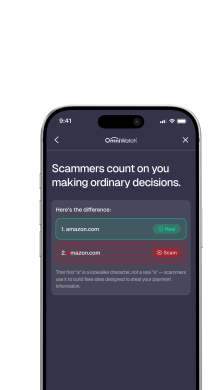
The most common gift card scam scripts
Scammers change their story all the time, but the request at the end is almost always the same.
Here are the scripts that show up most often:
The government agency. Someone claims you owe back taxes, missed jury duty, or have a problem with your benefits, and says gift cards are the only way to settle it before things get worse. If the caller says they’re from the IRS, here’s how to spot IRS scams and IRS impersonation calls. Medicare scam calls often follow the same pattern.
The bank or business. A caller warns that your account has been hacked and tells you to move your money onto gift cards to “protect” it. This type of phone scam is called vishing, and scammers can use spoofing to make the call look like it’s coming from your bank’s real number.
Tech support. A pop-up or phone call says your computer has a virus, then asks for gift cards to pay for the “fix.”
The family emergency. Someone calls pretending to be a grandchild or other relative in trouble, often in jail or the hospital, and begs you to send gift cards without telling anyone else in the family.
The romance scammer. Someone you’ve been talking to online suddenly needs help with a crisis and asks for gift cards. If this sounds familiar, here’s what to do if you sent money to a romance scammer, along with 20 romance scam red flags to look out for.
The boss. A text or email that looks like it’s from your manager asks you to quickly buy gift cards for a client or team event, and to keep it quiet until it’s done.
Scammers also time their requests around busy seasons, when people are already rushed. Black Friday and Cyber Monday scams lean on that holiday urgency, and fake donation requests tied to charity scams sometimes ask for gift cards too.
If any of these show up, stop. Real agencies and companies don't take payment this way.
What can a gift card scam cost you?
The money you loaded onto the cards is the loss most people think of first, but it often doesn’t stop there. Once a scammer knows you’ll pay, they may come back with a new story, like a “refund” that requires a small fee or a “recovery service” that promises to get your money back if you pay them first. Both are just another round of the same scam. And if you shared personal details along the way, such as your address, date of birth, Social Security number, or bank information, that information can be used for identity theft or other fraud long after the call ends.
That’s why it helps to act quickly but calmly, and to know exactly who to contact first.
If you already sent a gift card, what do you do?
If you’ve already shared the numbers, try not to panic. There are a few steps that can help, and doing them in this order gives you the best shot at saving whatever is left on the card.
Contact the company that issued the card right away. Use the contact information on the back of the card or the company’s official website, not a number from a message or search ad. Tell them the card was used in a scam, and ask whether there’s still money on it and whether they can freeze it.
Ask if they can give your money back. The FTC says some gift card companies might be able to help, especially if the balance hasn’t been spent yet. It’s not guaranteed, but it’s always worth asking.
Keep the card and your receipt. The numbers on both make it easier for the company to track the card and look into your report.
Cut off contact with the scammer. Don’t send anything else, even if they promise a refund. And if someone reaches out offering to “recover” your money for a fee, that’s another scam.
Talk to someone you trust. It’s normal to feel embarrassed, but scammers count on that feeling to keep people quiet and isolated. Sharing what happened can help you think more clearly and may keep someone else from falling for the same thing.
It’s also important to be realistic. Once a scammer has the card numbers, the money is often spent quickly. But the sooner you reach out to the card company, ideally within minutes or hours rather than days, the better your chances of catching any balance that’s still there.
How to report a gift card scam
Reporting helps you and others. Report in these places:
The FTC: The FTC says every report makes a difference.
The card issuer: use the fraud page or contact information for the company that issued the card, not a number from a message or a search result.
The FBI's IC3: if the scam started online or through email, file it with the Internet Complaint Center.
BBB Scam Tracker: you can report the scam there too.3
Your local police: for an official record.
If the scammer also got personal information from you, follow the steps in our guide on how to report identity theft. The FTC also offers a free recovery plan.4 For other ways a bank or card issuer might help, see whether your bank will refund you if you're scammed.
How to avoid gift card scams
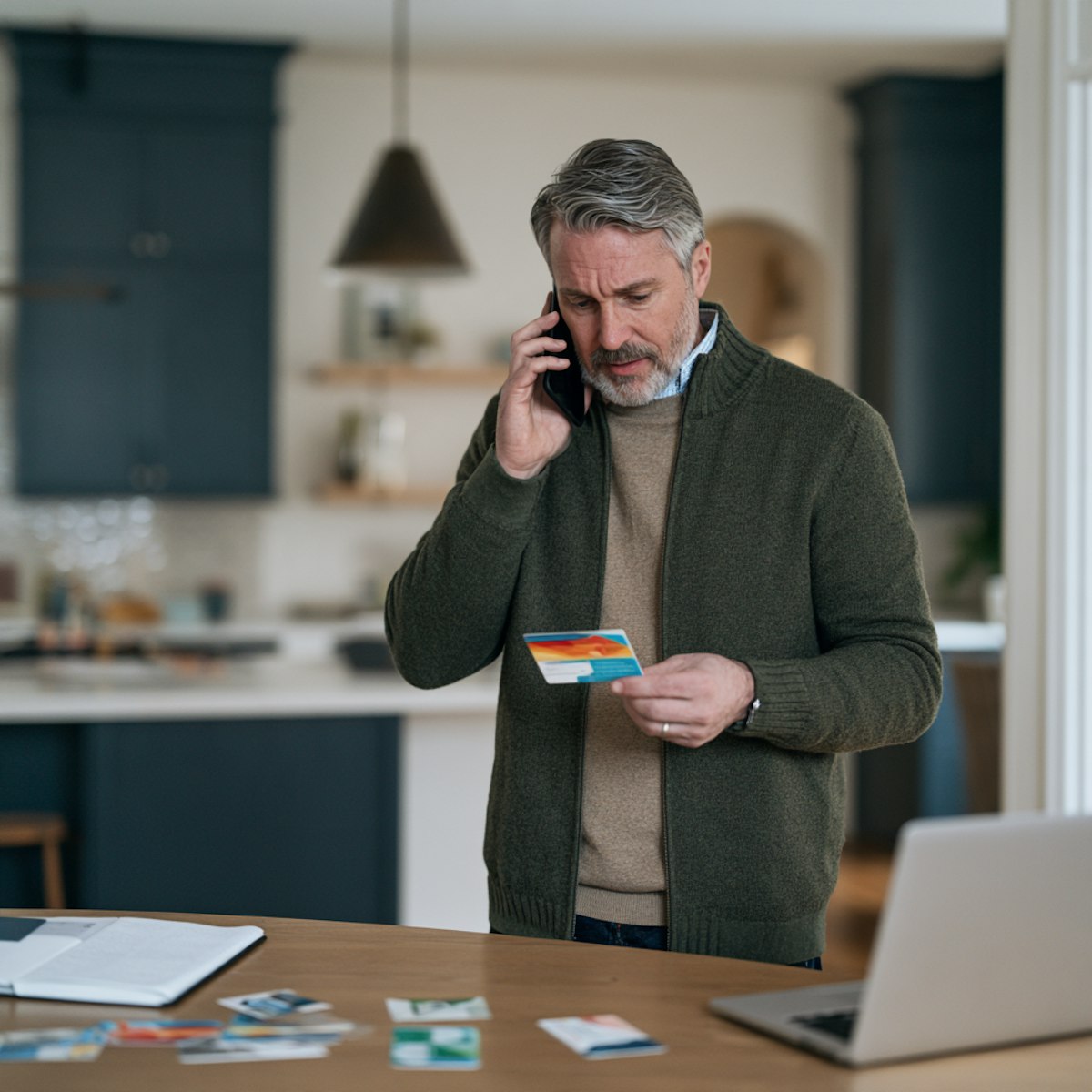
The best protection is knowing what a gift card scam looks like before one ever reaches you. These habits make it much easier to spot the request and walk away.
Use gift cards for gifts only. No real business, bank, or government agency will ask you to pay a bill, fine, or fee with a gift card. If someone does, you can stop right there.
Keep the numbers to yourself. Never read the card number or PIN to anyone who asked you to pay, and don’t send a photo of the back of the card.
Hang up and call back on your own. If a caller says they’re from your bank or a government agency, end the call. Then reach out using the number on your card, your statement, or the organization’s official website.
Slow down when someone says it’s an emergency. If the caller claims to be a family member in trouble, hang up and call that person directly, or check with someone else in the family.
Buy cards from stores you trust. Before you buy, check that the packaging hasn’t been opened or tampered with, and keep your receipt.
Talk with older relatives. Scammers often target seniors, so a quick conversation can go a long way. Here are some tips on how to protect seniors from scams, along with what senior identity protection can do to help.
Gift cards also show up in some fake job offers, especially ones that involve buying supplies or receiving and reshipping packages. Learn how holiday job and reshipping scams work before you agree to anything. And if you’re shopping this season, it’s worth reading up on the most common online shopping scams.
Check a message before you buy a card with OmniWatch
Once you’ve shared the numbers on a gift card, the money can disappear fast, so the most helpful time to check a message is before you buy anything. OmniWatch members with scam protection can use the AI Scam Checker to review a suspicious text, email, or screenshot and see whether it looks like a scam. It’s one of several tools in OmniWatch scam protection designed to help you spot a scam before it costs you money.
Check a request before you buy a card
Scammers use urgency and secrecy to push you toward gift cards. OmniWatch Scam Protection helps you check suspicious texts, emails, and screenshots before you pay.
Scam ProtectionFrequently asked questions
Can I get my money back after a gift card scam?
Sometimes, but not always. The FTC says some gift card companies might give your money back, so contact the issuer right away, tell them it was used in a scam, and ask. Keep the card and receipt. Results vary, so also report the scam to the FTC.
Which gift cards do scammers ask for?
Any brand. Scammers pick cards that are widely sold and easy to use, and they may switch brands as companies add protections. The brand doesn't matter. What matters is the request itself: the FTC says anyone who demands payment by gift card is a scammer.
Why do scammers want the numbers on the back?
The card number and PIN let someone use the balance, even if you still hold the card. The FTC says scammers will ask you to read the numbers aloud or send a photo of the card. Never share them with someone who asked you to pay.
Is a request to pay with a gift card always a scam?
Most likelyYes, when it comes as a demand for payment. The FTC says gift cards are for gifts, not for payments, and that anyone who tells you to pay with a gift card is likely a scammer. Real businesses and government agencies do not take payment this way.
What should I do if I'm still on the phone with the scammer?
Hang up. Don't buy cards, and don't read out any numbers. If you've already bought cards, keep them and the receipt, and contact the issuer. If you're not sure the call is real, hang up and call the organization back using a number from its official website.

This guide is published by OmniWatch, an identity and scam protection company. Follow OmniWatch on LinkedIn for ongoing guidance on identity protection and digital safety.
Sources
1. Federal Trade Commission, "FTC Testifies Before the Joint Economic Committee on Agency's Efforts to Combat Fraud," March 2026. https://www.ftc.gov/news-events/news/press-releases/2026/03/ftc-testifies-joint-economic-committee-agencys-efforts-combat-fraud
2. Federal Trade Commission, "Gift Card Scams". https://www.ftc.gov/giftcards
3. Better Business Bureau, BBB Scam Tracker. https://www.bbb.org/scamtracker
4. Federal Trade Commission, IdentityTheft.gov. https://www.identitytheft.gov